


The Science Behind FDA Surgical Staplers: What You Need to Know
The Science Behind FDA Surgical Staplers: What You Need to Know
Table of Contents
1. Introduction to Surgical Staplers
2. A Brief History of Surgical Staplers
3. How Surgical Staplers Work
4. Types of FDA Surgical Staplers
5. Applications of Surgical Staplers in Modern Medicine
6. Safety Standards and Regulations
7. Innovations in Surgical Stapler Technology
8. The Future of Surgical Staplers
9.
The Science Behind FDA Surgical Staplers: What You Need to Know
Table of Contents
- 1. Introduction to Surgical Staplers
- 2. A Brief History of Surgical Staplers
- 3. How Surgical Staplers Work
- 4. Types of FDA Surgical Staplers
- 5. Applications of Surgical Staplers in Modern Medicine
- 6. Safety Standards and Regulations
- 7. Innovations in Surgical Stapler Technology
- 8. The Future of Surgical Staplers
- 9. Frequently Asked Questions
- 10. Conclusion
1. Introduction to Surgical Staplers
Surgical staplers are essential instruments widely used in surgical procedures for closing wounds, securing tissue, and minimizing blood loss. Unlike traditional sutures, which involve threading a needle with a continuous line of material, staplers provide a more efficient and effective means of tissue approximation. As the healthcare landscape continues to evolve, understanding the science behind these critical tools becomes increasingly important for both professionals and patients.
2. A Brief History of Surgical Staplers
The journey of surgical staplers dates back to the early 1900s. The first stapler was patented in 1908, designed to create a continuous row of staples for closing wounds. Over the decades, advancements in design and functionality have transformed these devices from simple manual tools into sophisticated instruments that are now crucial in various surgical procedures. The introduction of FDA regulations in the late 20th century has further ensured the safety and efficacy of these devices in patient care.
3. How Surgical Staplers Work
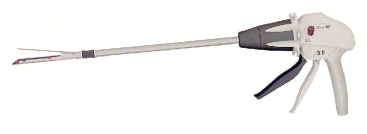
Surgical staplers operate through a combination of mechanical and pneumatic mechanisms, depending on the specific model. The fundamental working principle involves placing two pieces of tissue together and then driving a staple through both layers using a powerful force.
The Components of a Surgical Stapler
A surgical stapler generally consists of the following components:
- **Staple Cartridge**: Contains preloaded staples that are deployed during the procedure.
- **Anvil**: A surface against which the staple is driven, ensuring proper closure of the tissue.
- **Trigger**: The mechanism that activates the stapler, often connected to a spring-loaded system that provides the necessary force.
The Stapling Process
The stapling process is typically as follows:
1. **Alignment**: The surgeon aligns the stapler over the tissue to be approximated.
2. **Activation**: The trigger is engaged, driving the staples through the tissue.
3. **Formation**: As the staples enter the tissue, they form a secure closure, holding the edges together.
4. Types of FDA Surgical Staplers
FDA surgical staplers come in various types, tailored for specific procedures and applications:
Linear Staplers
Linear staplers are commonly used in gastrointestinal surgeries, allowing for the resection and anastomosis of tissues. They provide a straight line of staples, ensuring consistent closure.
Curved Staplers
Curved staplers are designed for areas where a linear stapler may not be effective. The curvature allows for better access and stapling around organs and tissues.
Endoscopic Staplers
These staplers are specifically designed for minimally invasive procedures. Endoscopic staplers can be inserted through small incisions and are equipped with flexible shafts to navigate complex anatomical structures.
Manual vs. Powered Staplers
While manual staplers require physical activation, powered staplers utilize motorized mechanisms to deliver staples with enhanced precision, particularly beneficial in high-stress surgical environments.
5. Applications of Surgical Staplers in Modern Medicine
Surgical staplers are employed in a wide array of surgical procedures, ranging from general surgery to specialized fields. Some notable applications include:
Gastrointestinal Surgery
In procedures such as gastric bypass or colectomy, surgical staplers are invaluable for resection and anastomosis, ensuring secure closures that promote healing.
Orthopedic Surgery
In orthopedic procedures, surgical staplers can be used to secure soft tissues to bones, enhancing the healing process post-surgery.
Pediatric Surgery
Pediatric surgeries often require specialized instruments due to the delicate nature of young patients. Surgical staplers designed for children ensure effective closures while minimizing trauma.
Thoracic Surgery
In thoracic procedures, staplers are used to close lung tissue after resections or biopsies, playing a vital role in managing respiratory health.
6. Safety Standards and Regulations
The FDA plays a critical role in ensuring the safety and effectiveness of surgical staplers. These devices fall under strict regulatory oversight, which includes:
Pre-Market Approval (PMA)
New stapler designs must undergo rigorous testing before being approved for use. This includes clinical trials that evaluate their safety and performance.
Post-Market Surveillance
After approval, the FDA continues to monitor the performance of surgical staplers through post-market surveillance programs. This helps identify any potential issues that may arise during use.
User Training and Guidelines
Healthcare professionals must receive adequate training on the proper use of surgical staplers to prevent complications. The FDA provides guidelines to ensure that all medical personnel are well-informed.
7. Innovations in Surgical Stapler Technology
The landscape of surgical staplers is continually evolving, with new technologies emerging to enhance their functionality:
Smart Stapling Technology
Recent advancements have introduced smart staplers equipped with sensors that provide real-time feedback during the stapling process, ensuring optimal closure and reducing the risk of complications.
Biodegradable Staples
Innovations in materials science have led to the development of biodegradable staples, which dissolve over time, eliminating the need for removal and reducing patient discomfort.
Robotics and Automation
The integration of robotic systems in surgical stapling is on the rise. These automated systems allow for greater precision and control, particularly in minimally invasive surgeries.
8. The Future of Surgical Staplers
Looking ahead, the future of surgical staplers appears promising. With ongoing research and development, we can expect:
- Enhanced safety features to minimize human error.
- Further integration of artificial intelligence to improve decision-making during surgeries.
- Continued advancements in materials that promote healing and reduce inflammation.
The ongoing evolution of surgical staplers will undoubtedly lead to better outcomes for patients and improved efficiency for healthcare professionals.
9. Frequently Asked Questions
What are FDA surgical staplers used for?
FDA surgical staplers are primarily used for closing wounds, securing tissue, and performing anastomoses in various surgical procedures.
How do surgical staplers differ from sutures?
Unlike sutures, surgical staplers provide a quicker and often more secure method of closing tissues, reducing the time needed for procedures and minimizing the risk of infection.
Are surgical staplers safe?
Yes, surgical staplers are generally safe when used by trained professionals and adhere to FDA regulations. Continuous monitoring ensures their efficacy and safety.
What innovations are currently shaping surgical stapler technology?
Innovations such as smart stapling technology, biodegradable staples, and robotics are significantly enhancing the functionality and safety of surgical staplers.
Will the use of surgical staplers continue to grow in the future?
Yes, as advancements in technology and surgical techniques continue, the use of surgical staplers is expected to grow, providing more efficient and safer options for surgical procedures.
10. Conclusion
Understanding the science behind FDA surgical staplers is crucial for both healthcare professionals and patients. With their rich history, innovative technology, and diverse applications, surgical staplers have transformed the landscape of surgical procedures. As we look to the future, the continued evolution of these essential tools promises to further enhance patient outcomes and revolutionize surgical practices. By staying informed, we can appreciate the complexity and significance of these devices in modern medicine.
fda surgical staplers

Contact
Contacts: Jenny Pan
Address: Liandong U-Valley Medical and Health Industry Park, Hefei City, Anhui Province


